Why Podcast Scripts Matter: The Foundation of Quality Content
Creating a podcast script is not about stifling spontaneity; it's about ensuring clarity, pacing, and impact. Scripts serve as a roadmap, helping you avoid rambling, filler words, and awkward silences. Studies show that well-structured audio content increases listener retention by up to 60% (Nielsen, 2019).
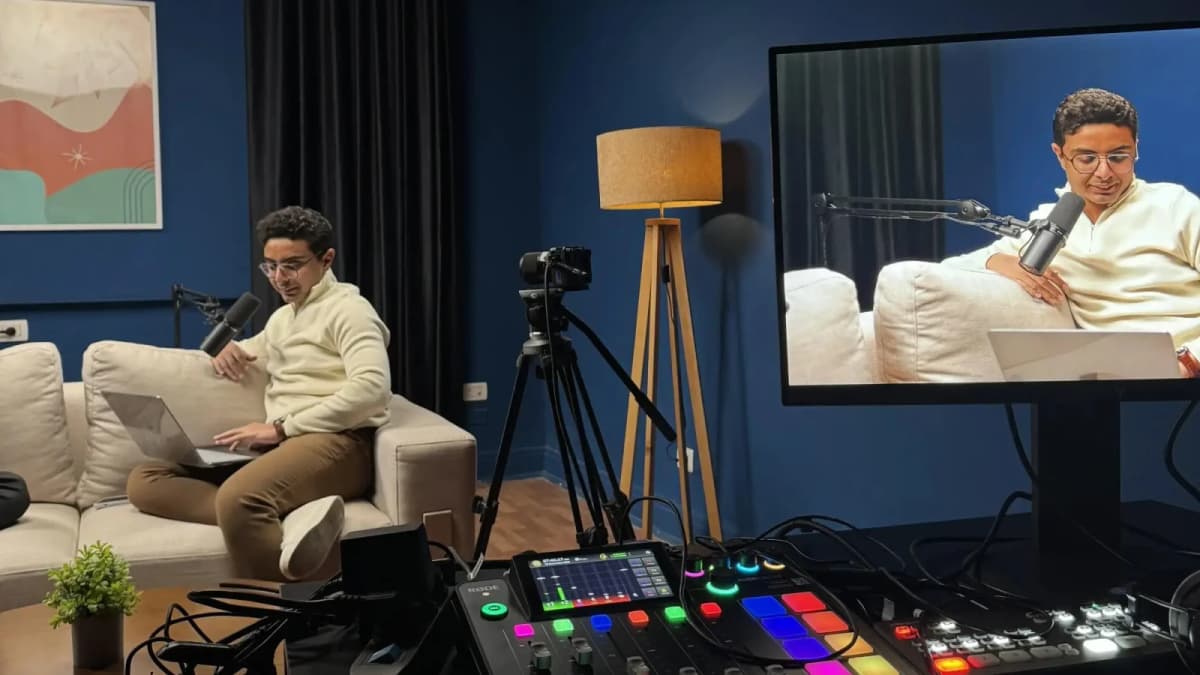
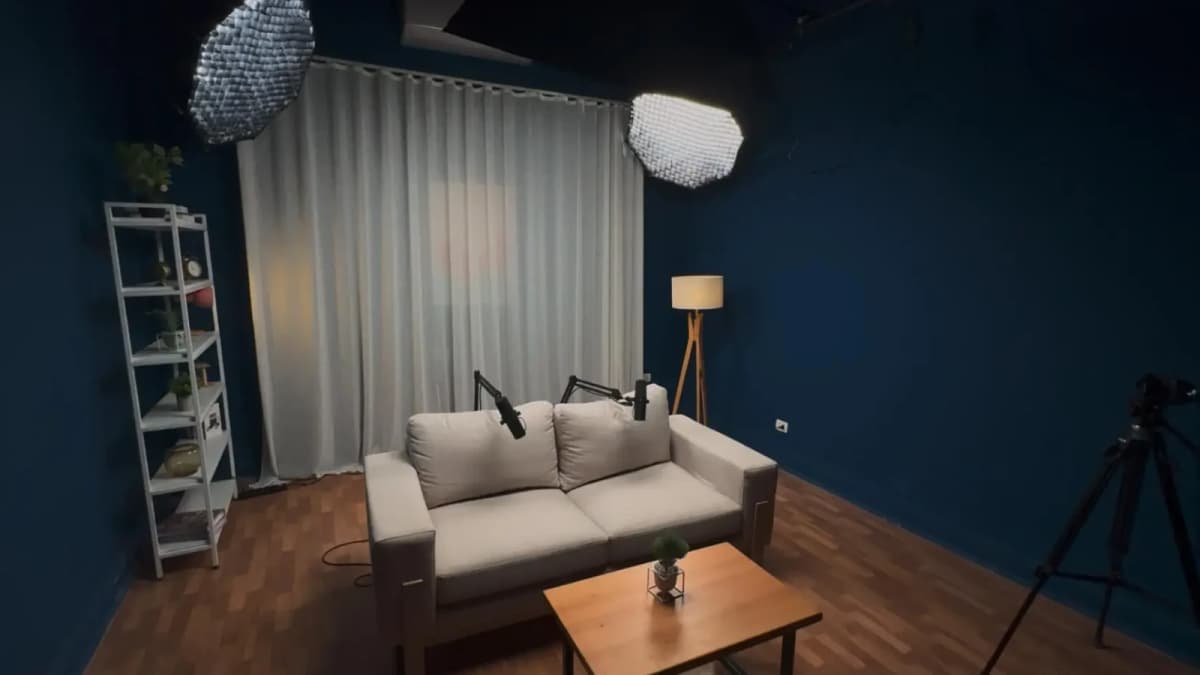
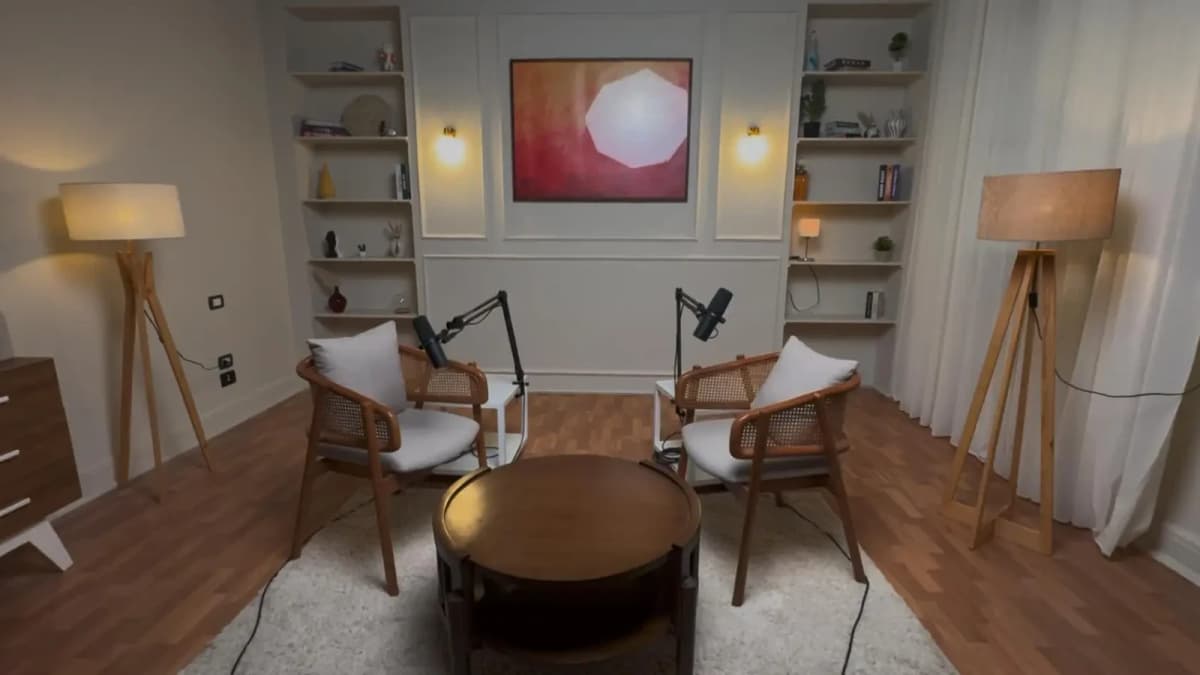
Moreover, recording environment and professional setup dramatically influence how your script sounds. A professionally treated studio with quality microphones and expert sound engineers can elevate your scripted words, making your voice sound clear and engaging — a crucial factor in retaining listeners. Whether you’re recording at home or in a studio, understanding the power of a well-crafted script is the first step toward podcast success.
Structural Elements: The Hook → Body → CTA Framework
Every effective podcast episode follows a clear structure. The classic Hook → Body → Call To Action (CTA) framework keeps your audience hooked and guides them smoothly through your message.
- Hook: Capture attention within the first 15 seconds. Ask a question, share a surprising fact, or tease a story.
- Body: Deliver your main content with clear points, examples, and transitions. This is where your core message develops.
- CTA: Invite listeners to subscribe, visit your website, or engage on social media to deepen the relationship.
Using timestamps and bullet points in your script helps you stay on track during recording and creates natural breaks. For example, in interview episodes, plan questions and follow-ups, but leave room for organic conversation.
Maintaining a Conversational Tone While Scripted
One of the biggest concerns when learning how to write a podcast script is avoiding a mechanical or "scripted" sound. The secret lies in writing the way you speak — using contractions, short sentences, and natural pauses.
Techniques to keep your script conversational include:
- Strategic Pauses: Use ellipses or line breaks to indicate natural breathing spots or moments for effect.
- Emphasis Markers: Highlight words or phrases to stress during delivery, e.g., really or important.
- Personality Injection Points: Plan where to add personal anecdotes, humor, or rhetorical questions to connect with listeners.
For example, instead of writing "In this episode, I will discuss...", say "Today, we're diving into..." This subtle shift creates a friendlier, more approachable tone.
Remember, practicing your script aloud several times will also help you identify and adjust any awkward phrasing before recording.
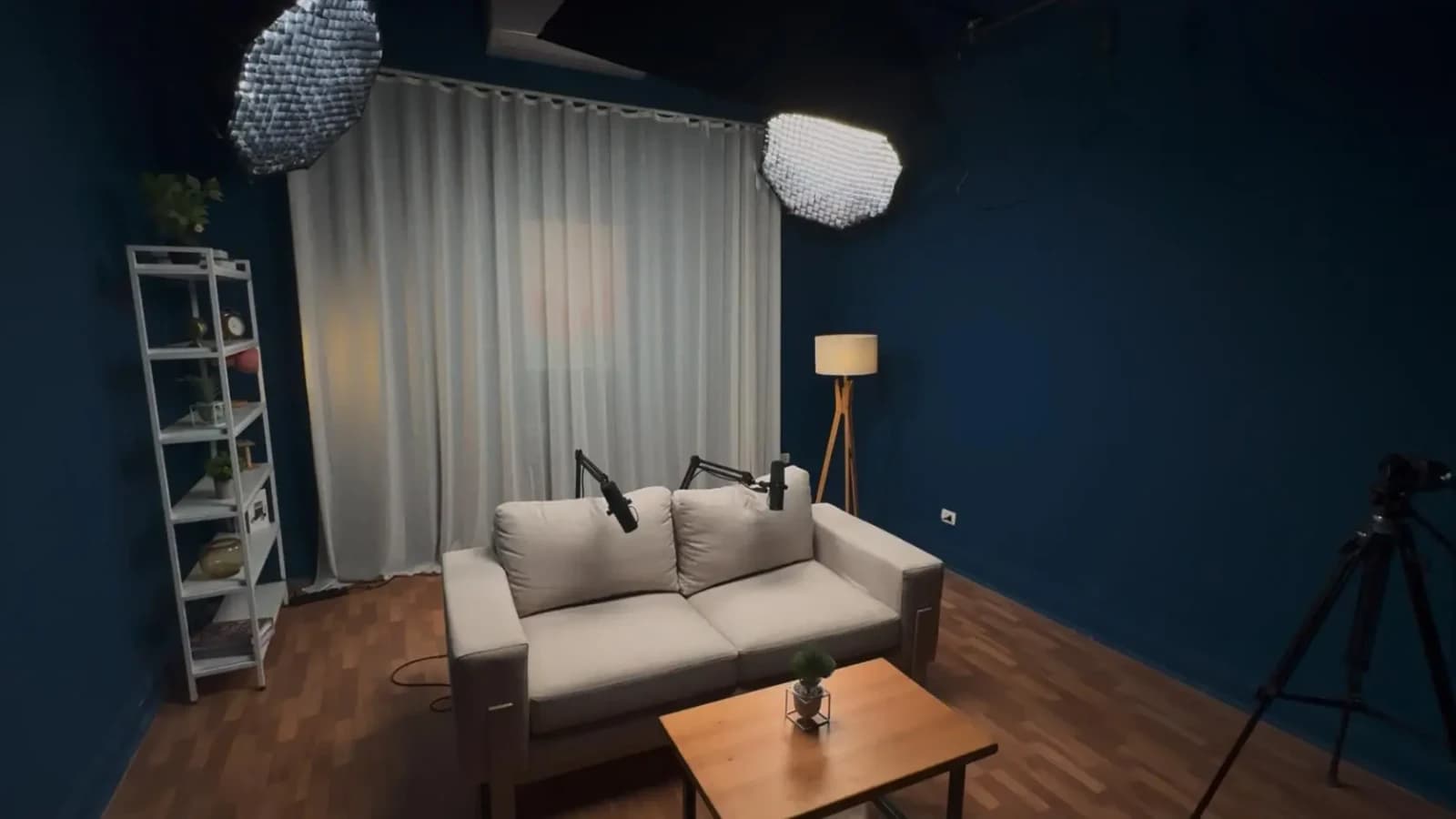
See Where Great Content Is Born
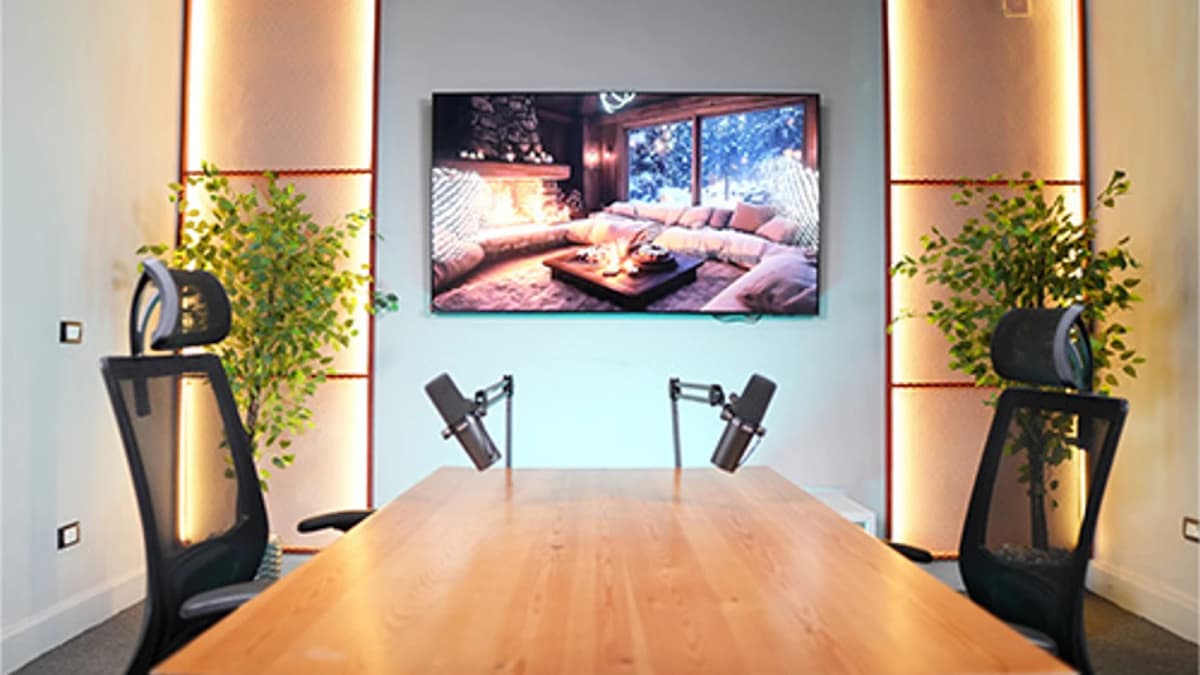
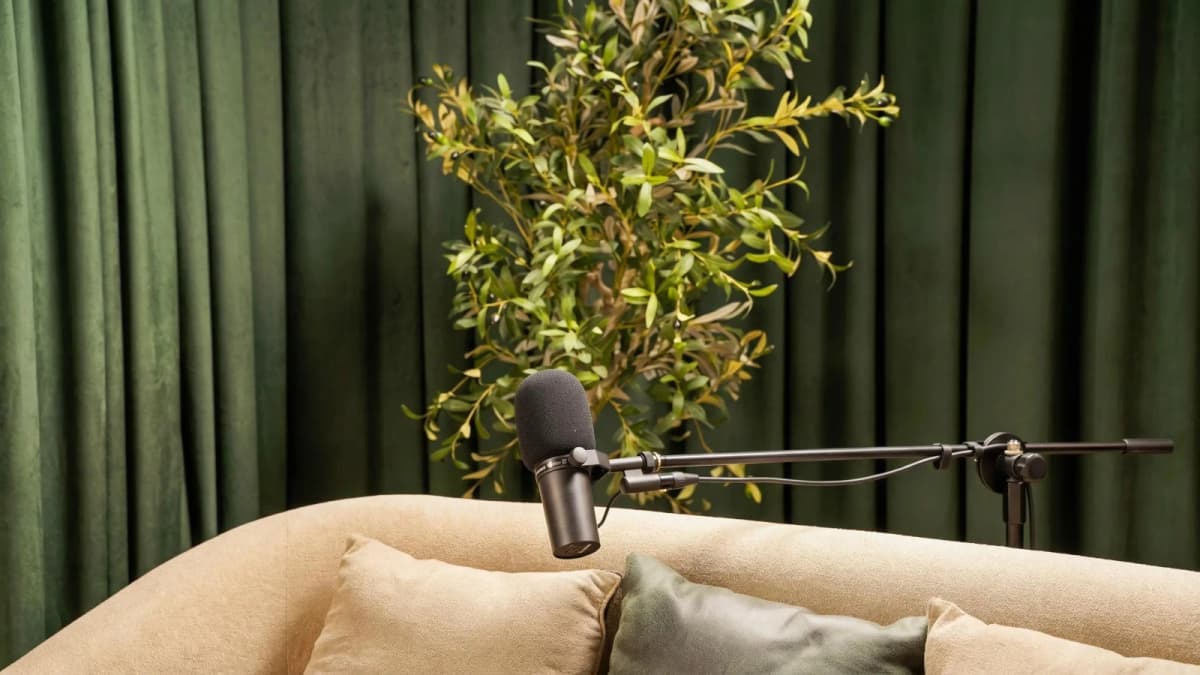
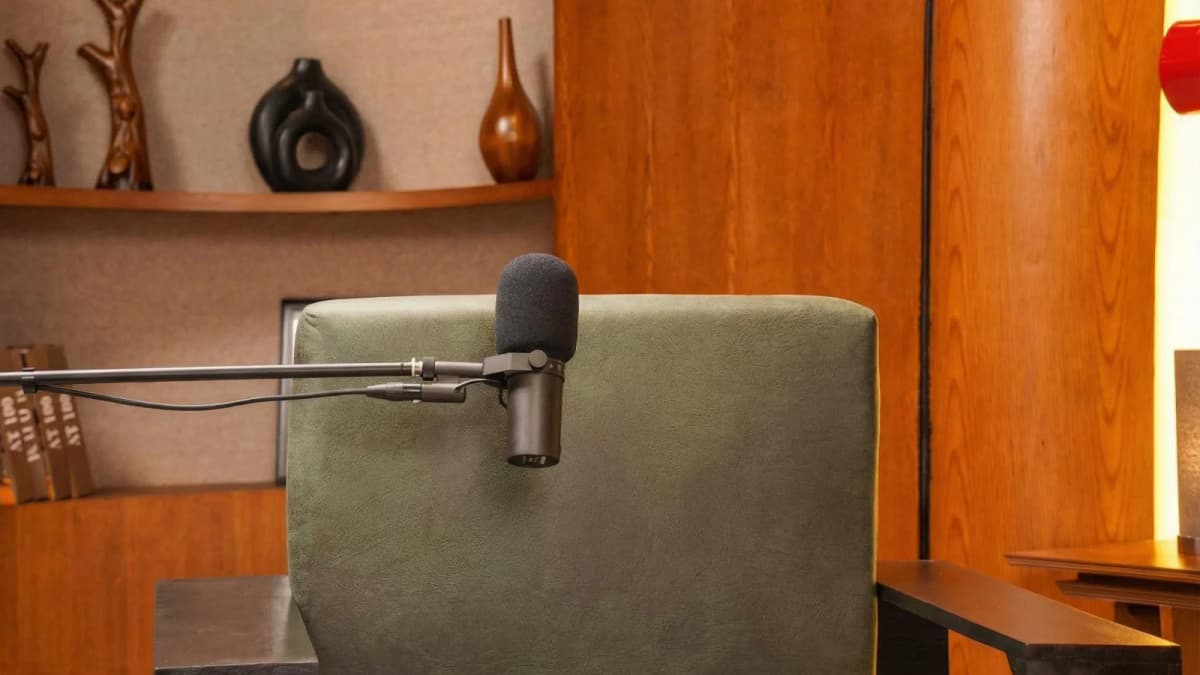
Step inside Goocast's state-of-the-art studio — built for podcasters, brands, and creators who refuse to settle for anything less than broadcast quality.
Explore Our Studio →Adapting Scripts by Podcast Format: Solo, Interview, and Narrative
Every podcast format demands a different scripting approach:
- Solo Episodes: Scripts should be detailed, guiding you through points and transitions. Plan rhetorical questions and moments for reflection.
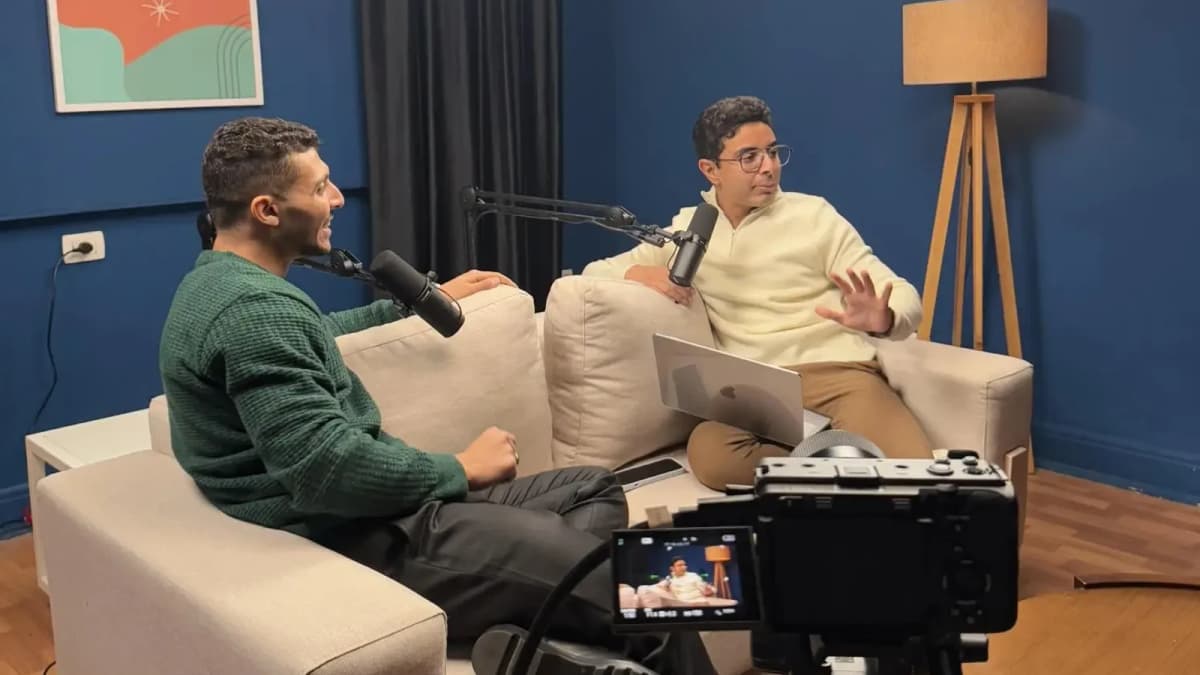
- Interview Episodes: Prepare open-ended questions and key facts to maintain flow but allow room for spontaneous dialogue. Highlight guest introductions clearly.
- Narrative or Storytelling: Focus on vivid descriptions, pacing, and suspense. Use scene-setting language and vary sentence length to maintain rhythm.
Each format benefits greatly from professional studio recording. The acoustic treatment and expert gear will capture tonal nuances, making your script come alive authentically.
Technical Formatting Standards for Podcast Scripts
Professional podcast scripts follow industry standards to ensure smooth production. Here are key formatting tips:
- Use Clear Labels: Mark segments like Intro, Question 1, Sponsor Read.
- Include Time Estimates: Add approximate durations to keep episodes on schedule.
- Speaker Identification: For interviews, indicate who is speaking.
- Visual Cues: Use bold or italics for emphasis, parentheses for stage directions or emotions (e.g., laughing, pause).
- Readable Font and Spacing: Use at least 12pt font and ample line spacing for easy reading during recording.
Adhering to these standards helps you and your team stay coordinated, especially when working with producers or engineers in a professional podcast studio.
Ready to Record? Your Session Awaits.
Reserve your studio time at Goocast and walk in with confidence. Professional gear, expert support, and a creative environment designed to bring your best ideas to life.
Book Your Studio Session →Common Mistakes to Avoid When Writing Podcast Scripts
Even experienced podcasters stumble. Here are pitfalls to watch for when learning how to write a podcast script:
- Over-scripting: Writing every word can make delivery sound robotic. Aim for bullet points or partial scripts to balance structure and spontaneity.
- Ignoring Your Voice: Write in your natural style — don’t imitate others. Authenticity resonates with listeners.
- Neglecting the Listener: Avoid jargon or long-winded explanations. Keep scripts clear and engaging for your target audience.
- Skipping Rehearsals: Failing to practice leads to stumbles and unnatural pacing.
- Forgetting Technical Details: Not timing your script or marking speaker turns causes confusion during recording.
If you’re serious about quality, booking a session in a professional podcast studio is invaluable. Studios like Goocast offer acoustic treatment, pro gear, and expert support — all essential to bringing your script to life with clarity and warmth.
Real Script Examples Demonstrating How to Write a Podcast Script
Below are 4 annotated script snippets based on common podcast segments. They illustrate the principles discussed above.
1. Short-Form Intro (Solo)
[Intro – 15 seconds]
Hi there, and welcome to The Creative Pulse! I’m your host, Sara. Today, we’re diving into how to spark fresh ideas when you feel stuck… (pause) Ready to get inspired? Let’s go!
Annotations: Hook opens with a friendly greeting and a clear episode topic. "(pause)" signals a breathing moment to avoid rushing.
2. Interview Segment
[Interview – 5 minutes]
Host: So, Ahmed, what inspired you to start your podcast journey? (smile)
Guest: Honestly, it was the power of storytelling that drew me in.
Host: That makes sense. Can you share a moment when your podcast really made an impact?
Guest: Absolutely, last year, we received messages from listeners who…
Annotations: Speaker labels clarify roles. Parenthetical cues like "(smile)" help deliver a warm tone. Open-ended questions encourage detailed answers.
3. Narrative Storytelling
[Narrative – 3 minutes]
It was a chilly October evening... (pause) The streets of Cairo glistened under street lamps as Layla stepped onto the stage. (soft music fades in) Her voice trembled at first, but soon the crowd was silent, hanging onto every word.
Annotations: Vivid imagery engages listeners. Pauses create suspense. Technical notes like "(soft music fades in)" guide post-production.
4. Sponsorship Read
[Sponsor – 30 seconds]
This episode is brought to you by Goocast, your trusted media production agency in MENA. Whether you need a professional podcast studio or expert story crafting, Goocast’s team has you covered. Visit goocast.net today and elevate your podcast quality!
Annotations: Clear branding and a direct, friendly CTA. Bolded company name draws vocal emphasis.
To help you get started immediately, Goocast offers a downloadable podcast script template designed to industry standards. It streamlines your process, letting you focus on creativity.
Ready for the best recording experience? Discover how working with a professional podcast studio can transform your scripts into engaging episodes with superior sound quality and expert guidance.
Conclusion: Mastering How to Write a Podcast Script for Success
Understanding how to write a podcast script is key to producing episodes that captivate and retain audiences. By focusing on structure, maintaining a conversational tone, adapting for your format, and following technical standards, you set yourself up for success.
Don’t forget: a professional studio recording environment amplifies every script’s potential, ensuring your voice sounds authentic and polished. Whether you’re a beginner or evolving your style, embracing scripting with expert studio support will elevate your podcast’s impact in the competitive MENA market.