Podcast vs Broadcast: The Complete Guide to Understanding the Key Differences (2026)
Last updated Jun 29, 2026
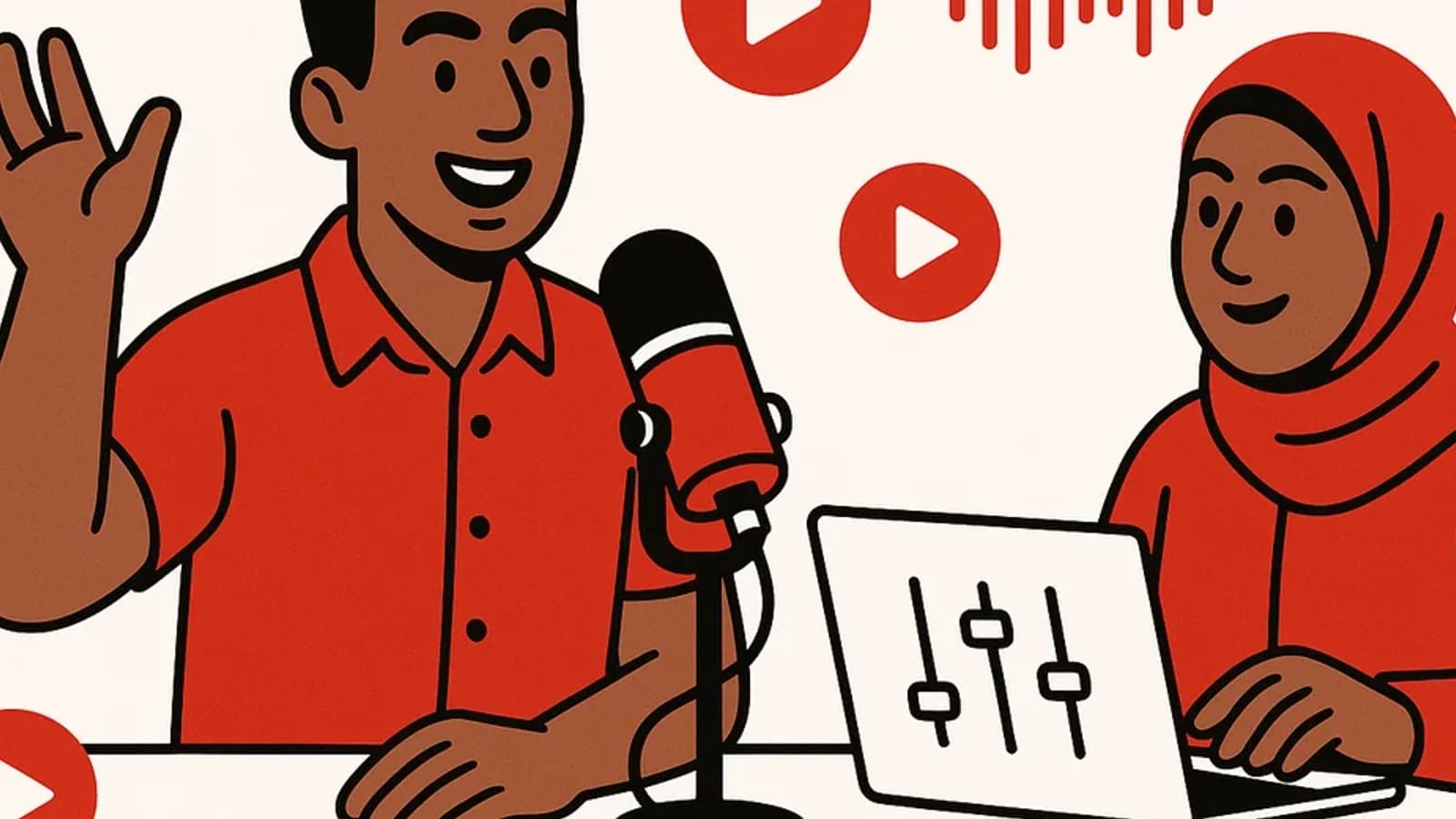
The media landscape has evolved dramatically over the past few decades, transforming how we consume audio content. At the heart of this transformation lies a fundamental question for creators and marketers alike: Podcast vs Broadcast: The Complete Guide to Understanding the Key Differences. Understanding these differences is crucial to selecting the right medium for your message.
Broadly speaking, broadcast refers to traditional radio and television transmissions sent over the airwaves to a wide audience in real time. It has been the dominant form of mass audio and video communication for most of the 20th century. On the other hand, podcasting is a relatively newer medium where digital audio files are distributed over the internet for on-demand listening, allowing users to engage with content at their convenience.
This article dives deep into each format's history, structure, audience, and production elements to help you master the decision-making process for your next audio project.
What Is a Broadcast? Defining Traditional Mass Media
Broadcasting, historically, is the transmission of audio or video content via radio waves or cable networks. It includes radio shows, TV news, live events, and scheduled programming accessible by anyone with a receiver. The format is linear and time-bound, with audiences tuning in at specific times.
The broadcast industry has been a cornerstone of media since the early 1900s, with pioneers like the BBC setting standards for quality and reach. Broadcasts are typically controlled by large media companies and rely on a one-to-many communication model.
What Is a Podcast? The On-Demand Audio Revolution
Podcasts emerged in the early 2000s as downloadable digital audio files distributed via RSS feeds. Unlike broadcasts, podcasts are time-shifted, allowing listeners to consume content whenever and wherever they want. This flexibility has spurred exponential growth; as of 2023, there are over 4 million active podcasts worldwide and more than 2 billion podcast listeners globally (Statista, 2023).
Podcasts range from solo storytellers and niche hobbyists to professionally produced series with extensive resources. The barrier to entry is relatively low, enabling diverse voices to flourish.
Podcast vs Broadcast: Side-By-Side Comparison Table
| Aspect | Podcast | Broadcast |
|---|---|---|
| Format | On-demand digital audio/video files | Live or scheduled radio/TV transmissions |
| Distribution | Internet (RSS feeds, streaming platforms) | Radio waves, cable, satellite |
| Audience Reach | Global, niche, opt-in listeners | Local to national, mass audience |
| Cost | Generally low to moderate; DIY options available | High production and licensing costs |
| Production Requirements | Basic recording gear to professional studios | Professional studios with broadcast-grade equipment |
Technical Differences: Production and Distribution
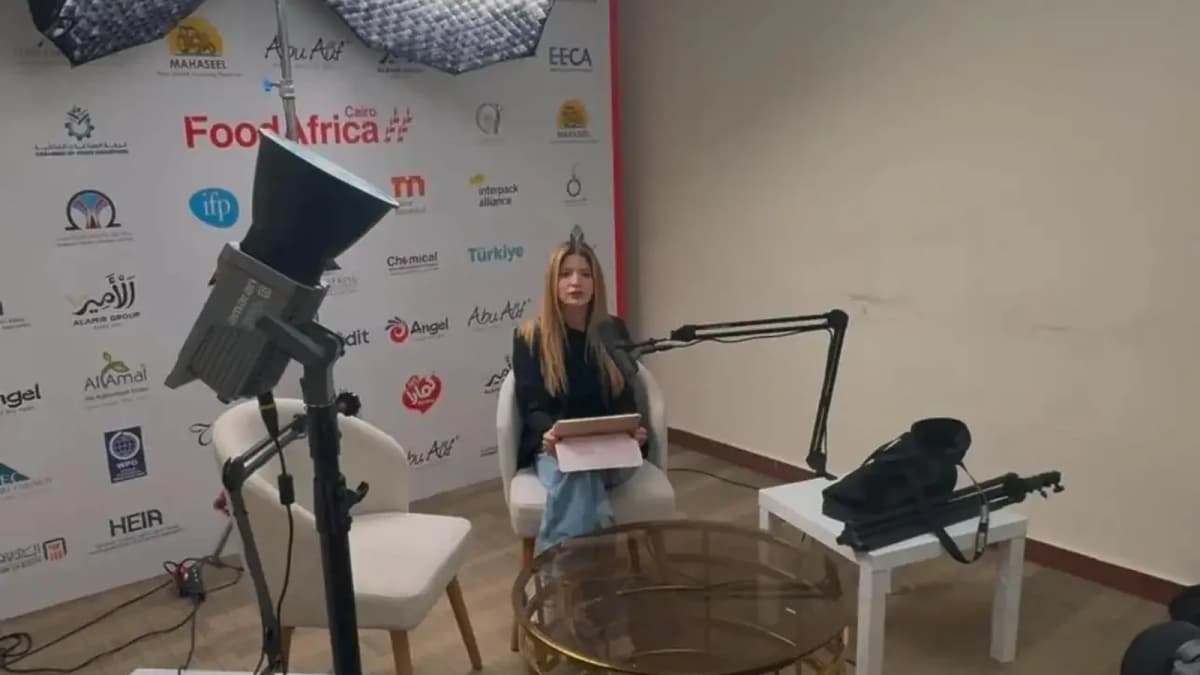
Broadcast production demands dedicated studios equipped with specialized hardware to ensure signal quality and compliance with regulatory standards. Audio engineers, directors, and technicians collaborate to manage live or recorded content. The fixed schedule necessitates precise timing and coordination.
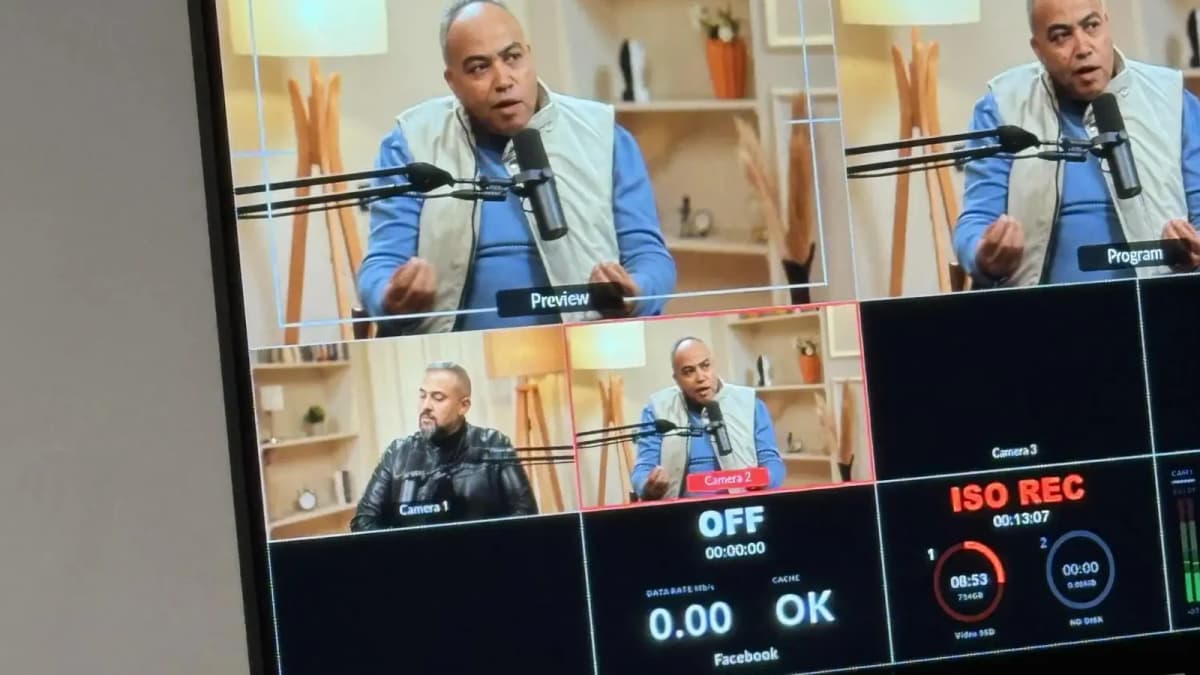
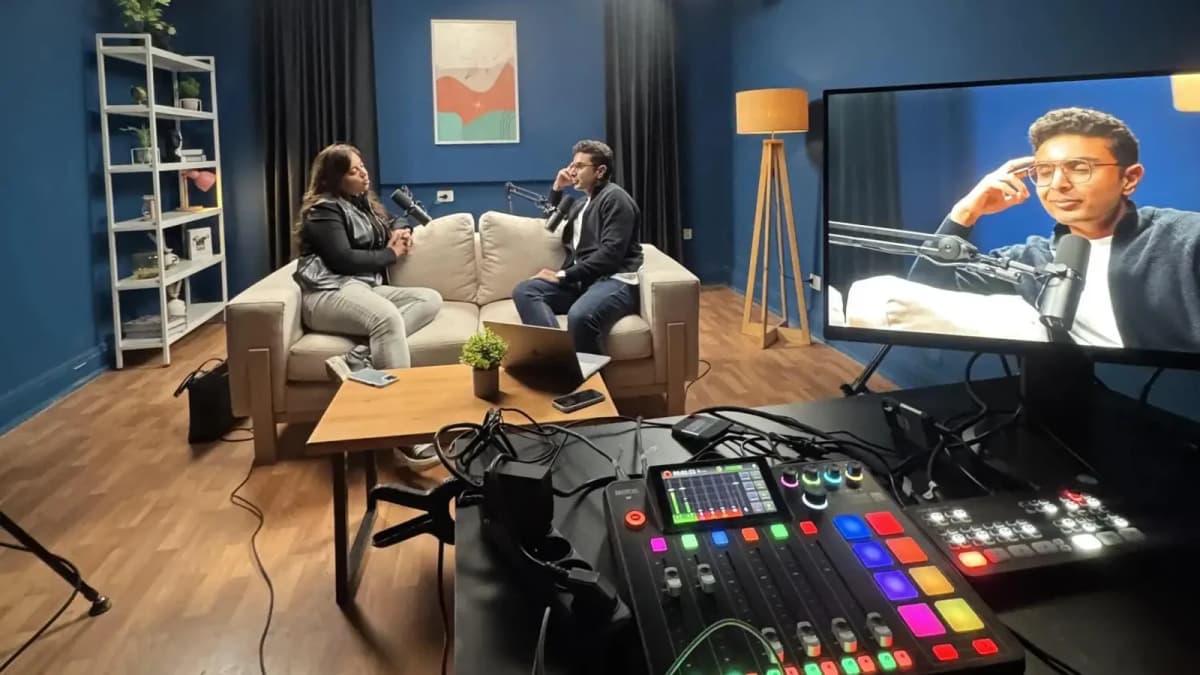
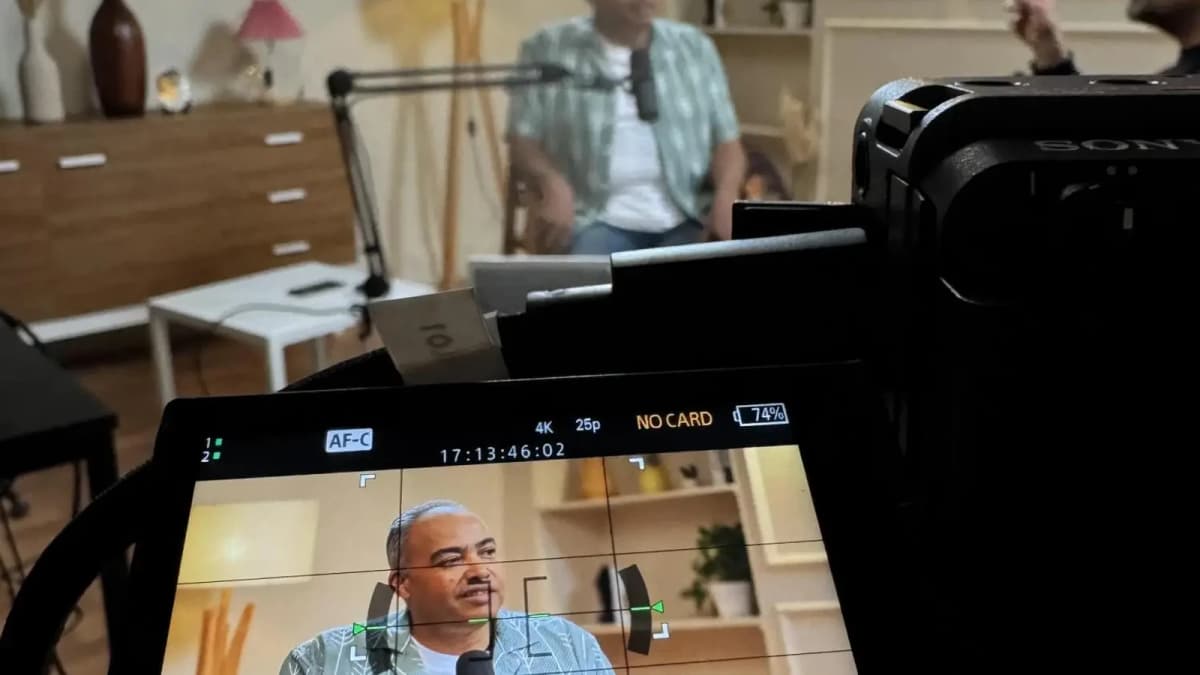
In contrast, podcast production ranges from simple setups—such as a USB microphone and laptop—to full professional studios offering acoustic treatment, high-end microphones, and sound engineers. The freedom of on-demand distribution removes scheduling pressures but requires effective content planning and editing.
Your recording environment significantly influences audio quality. Booking a professional studio session ensures optimal acoustics and access to expert technical support, a game-changer for creators serious about building a professional brand.
Audience Behavior and Engagement Patterns
Broadcast audiences tune in passively, often during commutes or while multitasking, and have limited control over content selection. Broadcast media excels at reaching broad demographics simultaneously, making it ideal for mass communication.
Podcasters benefit from highly engaged listeners who consciously subscribe to and follow specific shows. This engagement translates to better listener loyalty and interaction through social media, reviews, and live events. The freedom to listen anytime fosters deeper connections.
Read more about : What Does a Podcast Producer DoMonetization Models: How Creators Earn Revenue
Broadcast monetization primarily relies on advertising, sponsorships, and licensing fees, often governed by large networks with strict regulations. Revenue scales with audience size but requires significant upfront investment.
Podcasts offer diverse monetization options, including dynamic ad insertion, premium subscriptions, listener donations, merchandise, and branded content. The lower entry cost allows independent creators to monetize niche audiences effectively.
Accessibility and Reach: Who Can You Connect With?
Broadcast signals can reach audiences without internet access, making them accessible in rural or low-connectivity areas. However, geographic range is often limited to local or national boundaries.
Podcasts require internet connectivity but have no geographic limitations. This makes them ideal for global content distribution targeting specific interest groups.
Read more about : Podcast vs InterviewPros and Cons of Podcasts and Broadcasts
- Podcasts: Flexible, cost-effective, niche targeting, high engagement but require consistent content strategy and technical know-how.
- Broadcasts: Mass reach, live content, regulated quality standards but expensive, less flexible, and limited interactivity.
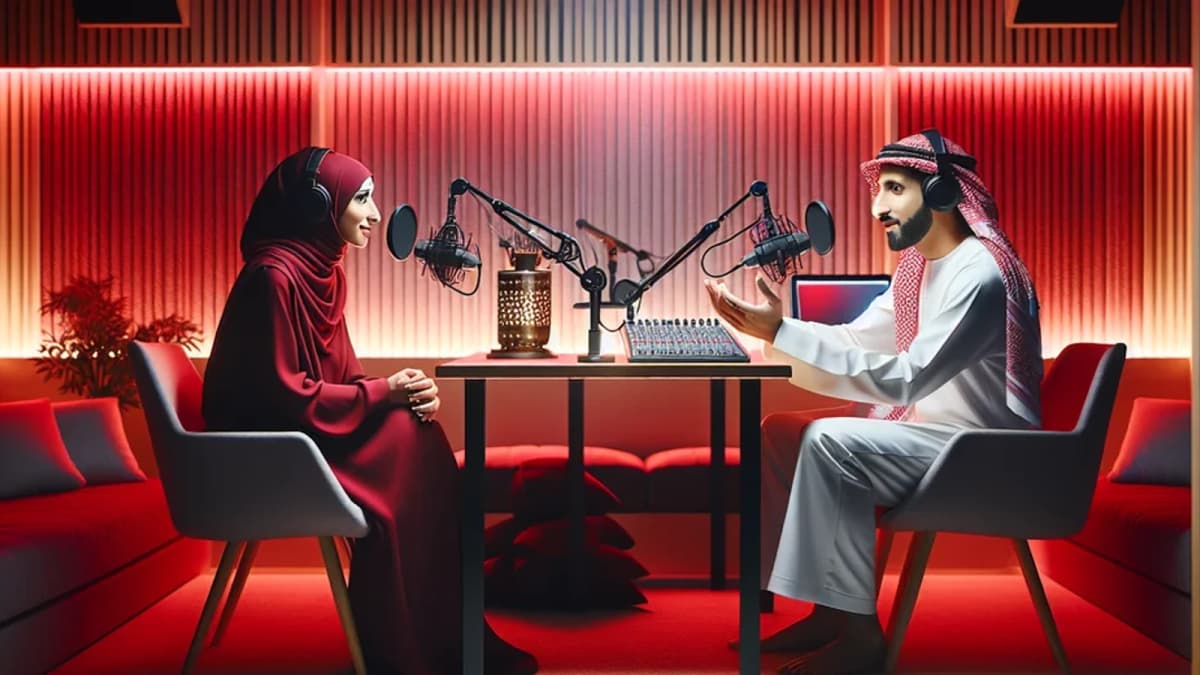
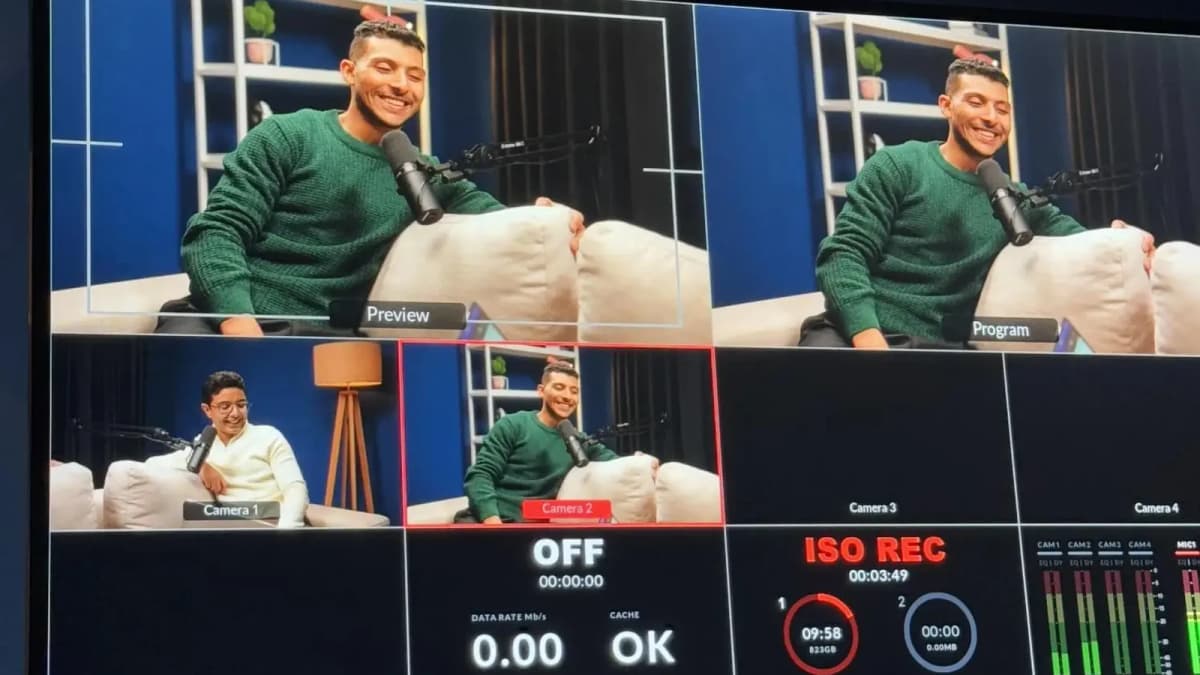
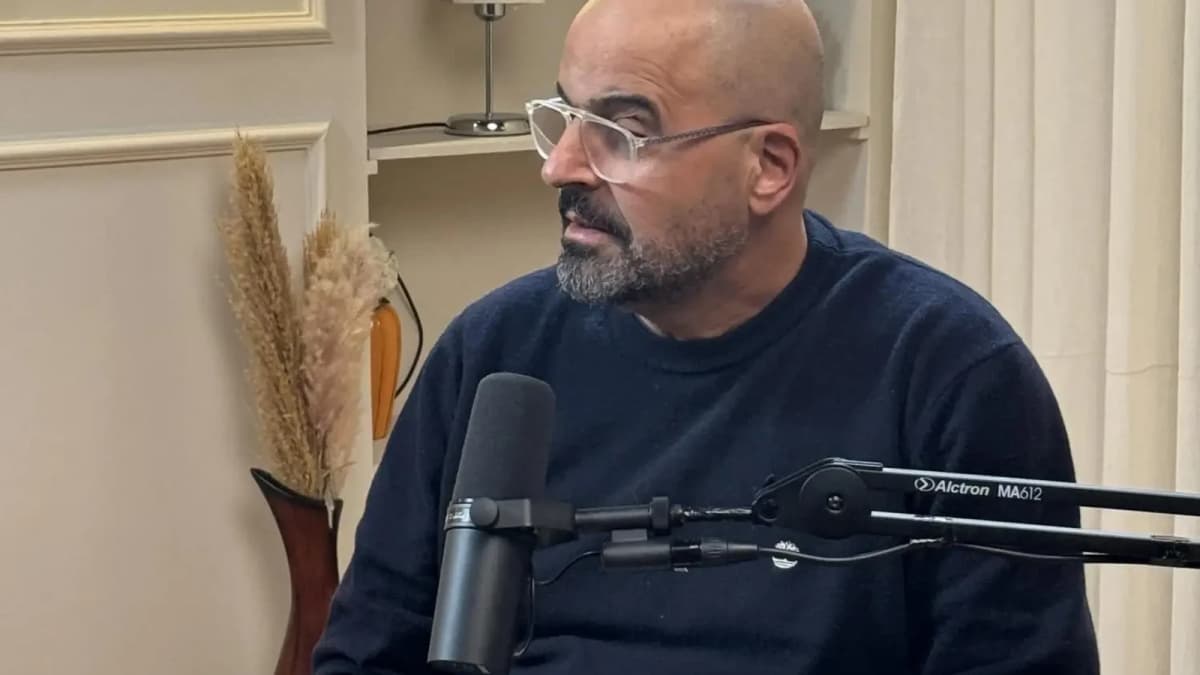
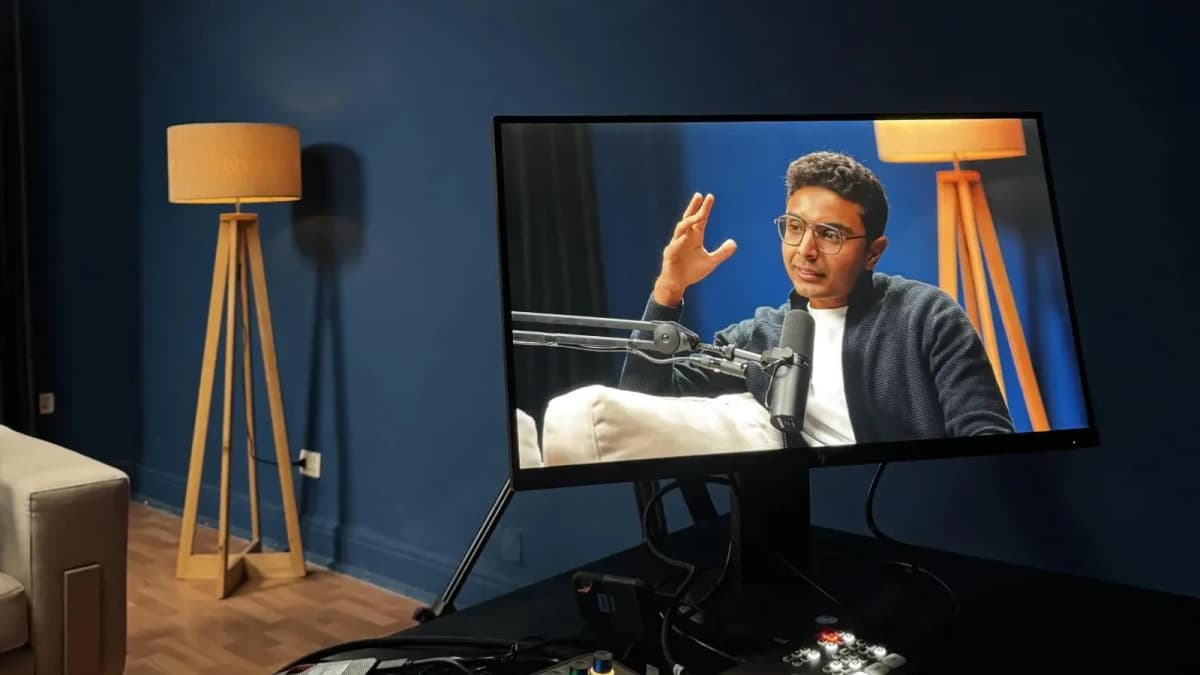
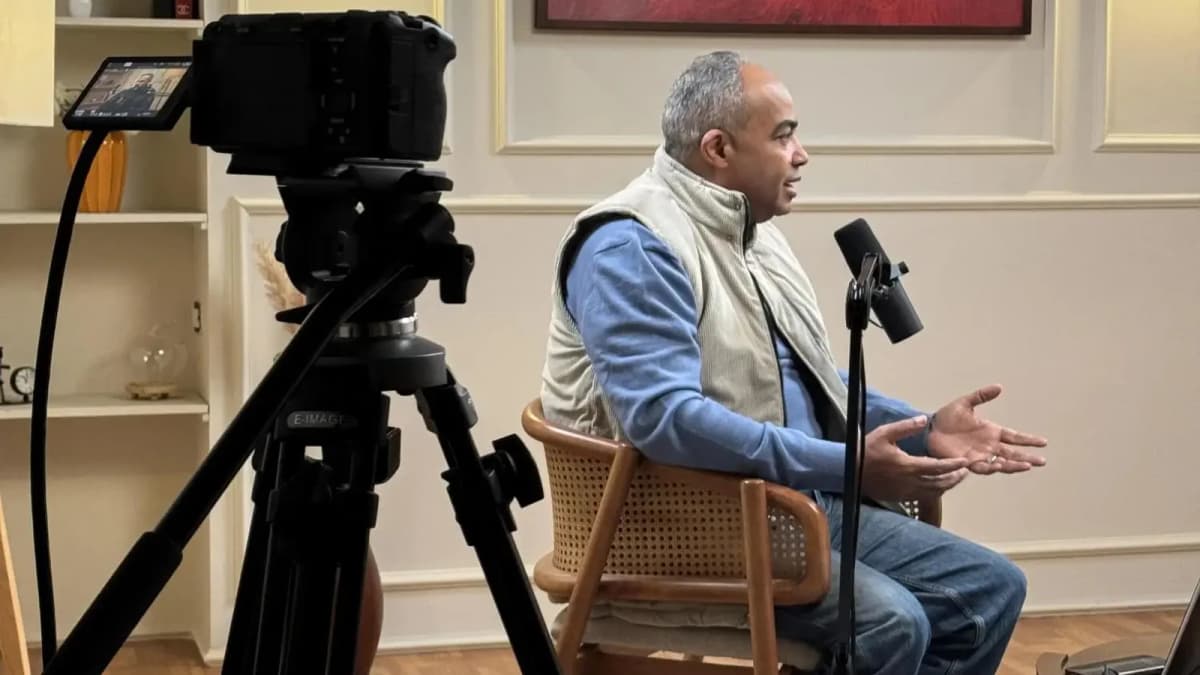
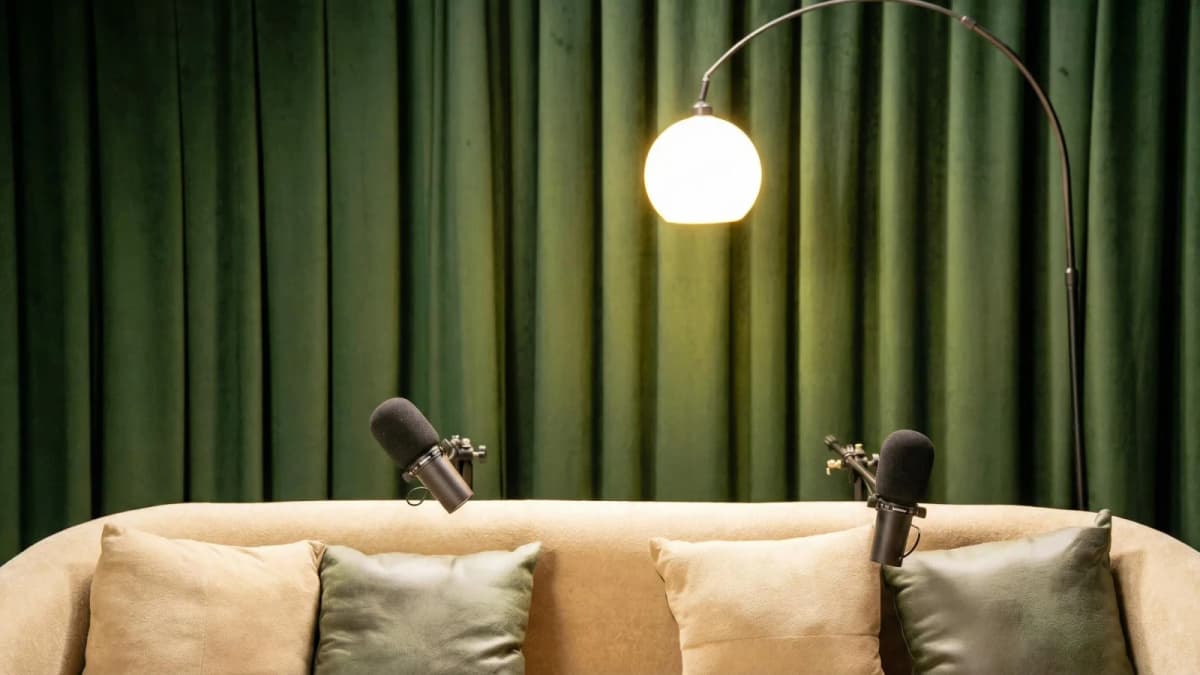
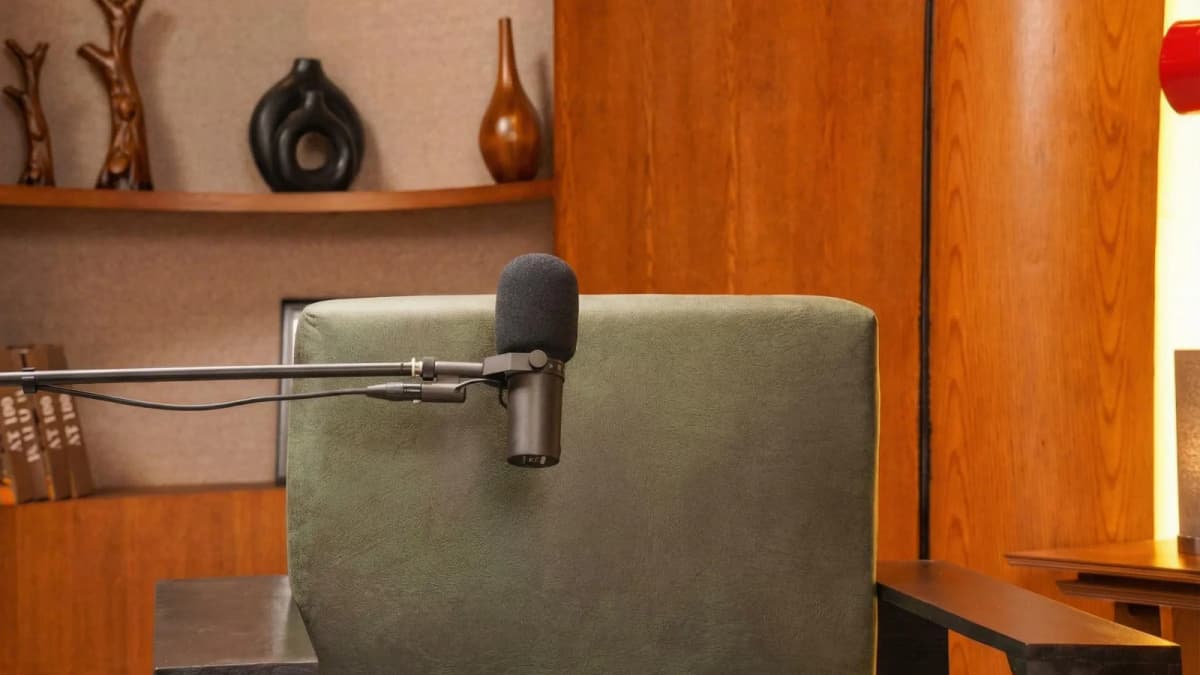
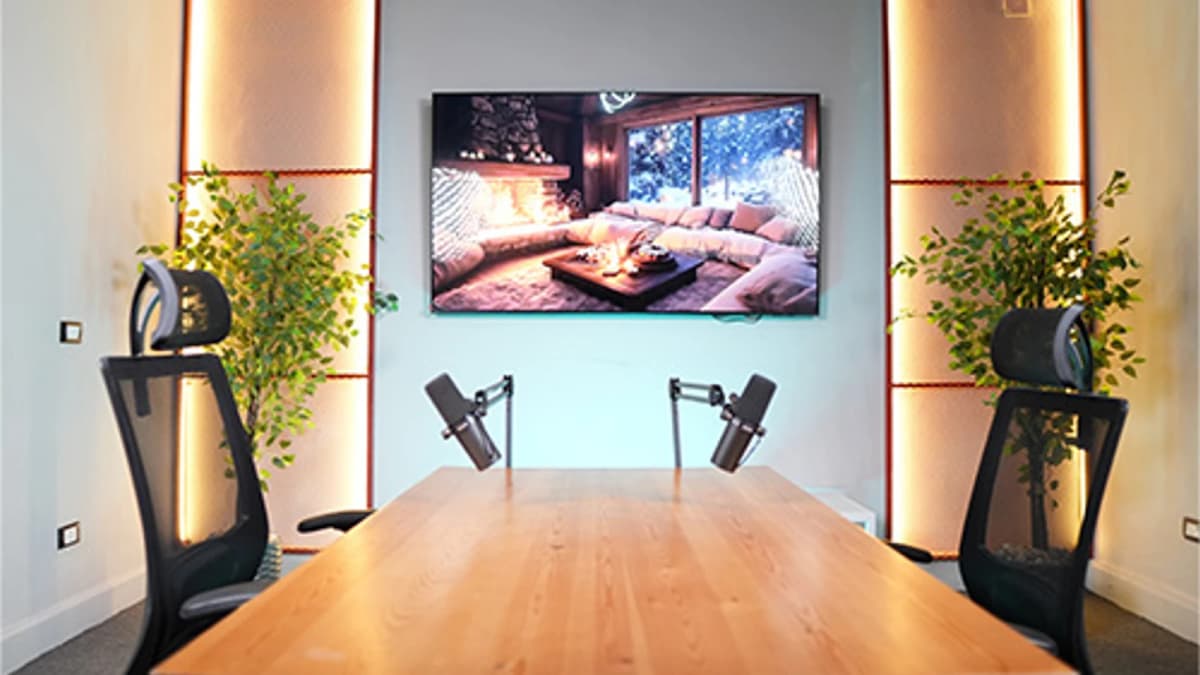
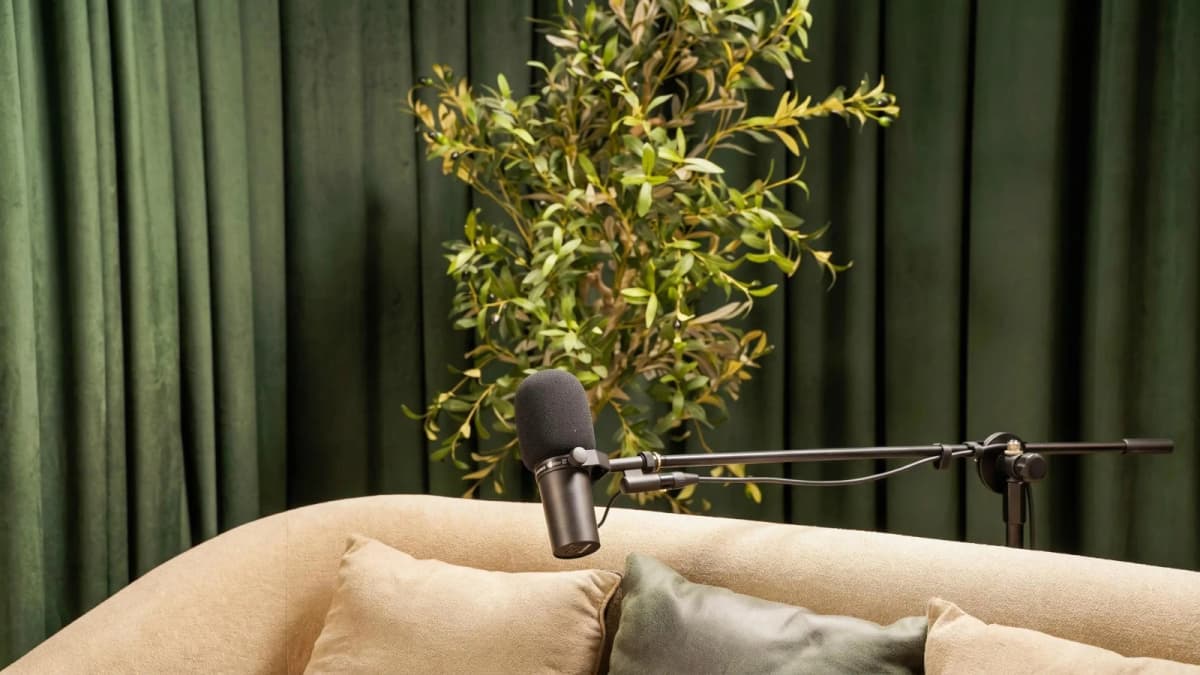
See Where Great Content Is Born
Step inside Goocast's state-of-the-art studio — built for podcasters, brands, and creators who refuse to settle for anything less than broadcast quality.
Explore Our Studio →When to Choose Podcast vs Broadcast: Practical Recommendations
If your goal is to build a highly engaged audience around a specific topic or niche, or you want to experiment with cost-effective content creation, podcasting is your best bet. You can leverage tools like Gooviral, Goocast's free AI platform, to find trending topics and generate scripts, accelerating your content planning process.
Alternatively, if you require instant mass communication, live coverage, or your target audience is local and broad, traditional broadcasting remains unmatched. However, investing in professional studio recording is crucial for either format to ensure superior audio quality. A professionally treated studio environment, combined with expert technical support, can elevate your content's impact.
For creators and brands aiming to combine the best of both worlds, consider leveraging services from a trusted Media production agency like Goocast. Their expertise bridges creative storytelling with technical excellence.
Read more about : Can a Podcast Be One PersonReal-World Examples: Success Stories from Both Sides
Broadcast legend NPR's "Morning Edition" continues to reach millions daily through traditional radio, while simultaneously repurposing content as podcasts to capture on-demand audiences.
On the podcasting front, "The Daily" by The New York Times has revolutionized news delivery with engaging storytelling and convenient accessibility, boasting over 4 million daily downloads.
These examples highlight how both mediums can coexist and complement each other, depending on your strategic goals.
Ready to Record? Your Session Awaits.
Reserve your studio time at Goocast and walk in with confidence. Professional gear, expert support, and a creative environment designed to bring your best ideas to life.
Book Your Studio Session →Elevate Your Content Quality: Why Studio Recording Matters
Regardless of format, recording in a professional studio is an investment that pays off. Acoustic treatment minimizes background noise and echo, while high-grade microphones and mixing consoles ensure clarity and richness.
Expert engineers can guide you through the recording process, optimizing vocal presence and technical settings. For podcast creators, this means a polished, broadcast-quality sound that stands out in crowded directories. For broadcasters, studio precision is non-negotiable to meet regulatory and audience expectations.
If you are serious about quality, booking a professional studio session is the natural next step. Goocast offers state-of-the-art studio recording facilities tailored for both podcasts and broadcast productions, making it easy to produce compelling, high-impact content.
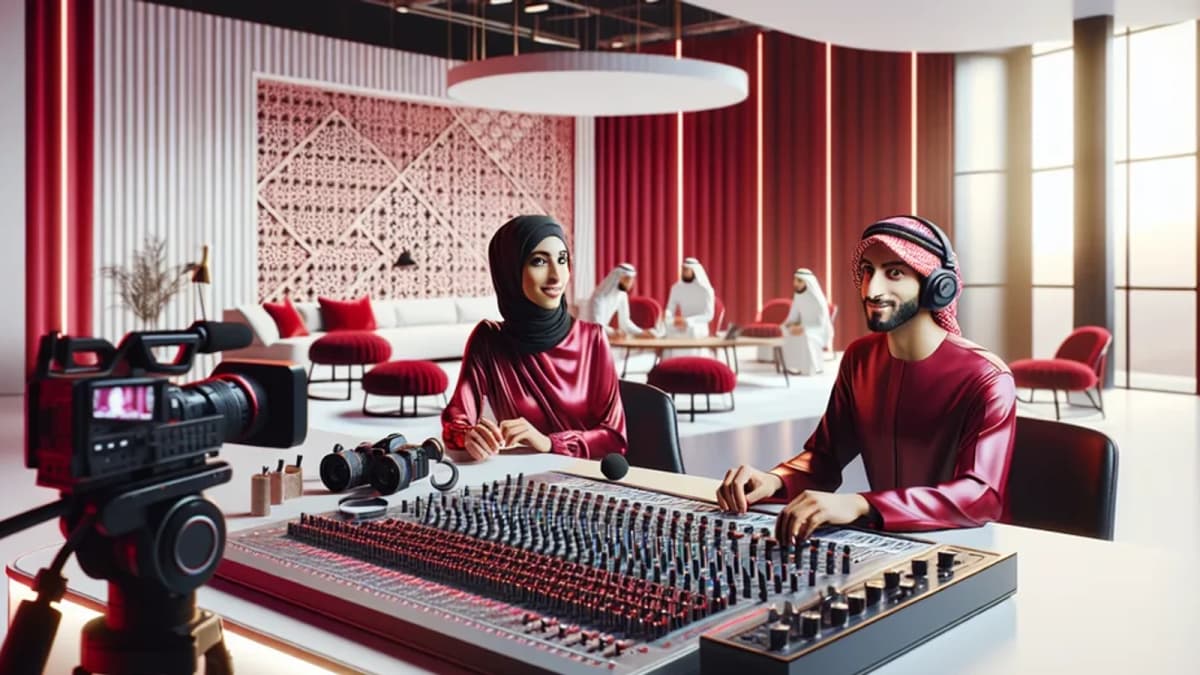
Moreover, if you're looking to produce professional podcast episodes, consider booking a session at Goocast's Podcast studio — fully equipped for recording, lighting, and sound to bring your show to life.
Conclusion: Mastering Podcast vs Broadcast: The Complete Guide to Understanding the Key Differences
To summarize, choosing between podcast and broadcast depends on your target audience, budget, content goals, and desired reach. Podcasts offer flexibility, niche targeting, and cost efficiency, whereas broadcasts excel at real-time mass communication and live engagement.
Understanding these distinctions empowers you to make strategic decisions that align with your brand’s vision. Remember, regardless of your choice, investing in a professional recording environment will significantly enhance your content’s quality and impact.
With insights from this guide, you are well-equipped to navigate the evolving media landscape confidently and produce content that resonates deeply with your audience.
Why Goocast Is Your Creative Media Partner Across MENA
Goocast is a premier media production agency and podcast studio serving brands and creators across the MENA region. By combining cutting-edge production technology with deep marketing intelligence, Goocast helps clients craft content that doesn't just look great — it drives real audience growth and business results.
Frequently Asked Questions
Book Your Studio Session at Goocast
Your next great episode starts with the right environment. Goocast's professional studio gives you broadcast-quality sound, expert support, and everything you need to create content that stands out — across MENA and beyond.
Book a Session Now →Short Blog
Short heading goes here
Welcome to our world! At our marketing agency, we don’t just focus on marketing, we’re passionate about sharing our knowledge with our visitors.